Red Snapper Fishing Charter in Texas City TX
Red Snapper Fishing in Galveston - What to Expect

Fishing Charter by Captain Trenton St. John in November
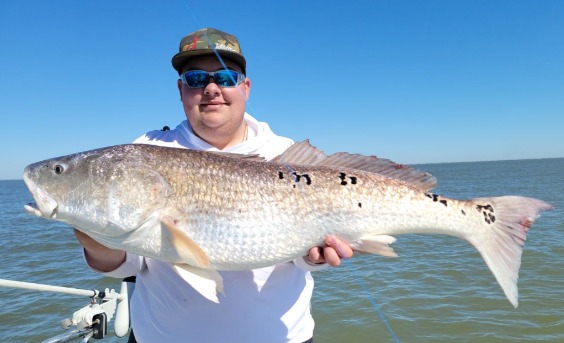
- Experience the best fishing of Galveston Bay!


Summary
Join Captain Trenton St. John on a red snapper fishing charter near Texas City for an unforgettable offshore experience. This Galveston-based fishing charter specializes in connecting anglers with quality red snapper action and memorable moments on the water.
Fishing Charter with Captain Trenton St. John - Rates & Booking
Captain Trenton St. John of Get Tight Fishing Charters took us offshore near Texas City on Saturday, October 24th for an exceptional red snapper fishing adventure. When you book with this experienced charter operator, you're getting a seasoned captain who knows the productive offshore grounds around Galveston and understands what it takes to put anglers on quality fish.
The day proved exactly why this charter has built its reputation. We spent our time targeting red snapper in their prime habitat, and the bite was consistent throughout the outing. For anyone looking to book a fishing charter in the area, Captain St. John's operation delivers the kind of authentic offshore experience that keeps people coming back.
Ready to book your own red snapper fishing adventure? Contact Get Tight Fishing Charters to check availability and rates for your preferred dates. Whether you're an experienced angler or looking to try offshore fishing for the first time, this charter can accommodate your group.
Highlights of Offshore Red Snapper Fishing
What made this outing stand out was the combination of solid red snapper action and the straightforward approach Captain St. John brings to his charters. We weren't dealing with slow periods or excess downtime - the fishing kept us engaged, and the catches reflected the productivity of the offshore grounds near Texas City. The experience captured what offshore fishing is really about: targeting a specific species in its natural environment and putting in the work to succeed.
The camaraderie on the boat was genuine. With multiple anglers aboard, there was that mix of friendly competition and shared excitement when fish were being landed. These moments remind you why people make the effort to get out on the water early in the day.
Local Species Insights: Red Snapper
Red snapper are one of the most sought-after offshore fish in the Gulf of Mexico, and the grounds near Galveston and Texas City hold a healthy population of these hard-fighting fish. Red snapper prefer deeper waters where they congregate around structures like oil rigs, natural reefs, and drop-offs. They're known for their aggressive strikes and strong runs, making them exciting to land for anglers of all skill levels.
What makes red snapper such a popular target is their combination of fight and table quality. They're not just fun to catch - they're excellent eating, with firm white meat that works well for almost any preparation. Understanding their behavior and habitat preferences is key to consistent success, and that's where local expertise makes a real difference. Captain St. John's familiarity with the offshore structure and seasonal patterns around Texas City translated directly into productive fishing throughout the day.
The offshore environment itself - that open water several miles from shore where the Gulf floor drops away and creates ideal snapper habitat - demands respect and proper planning. The conditions need to be right, the equipment needs to be reliable, and you need someone who knows where to position the boat for the best chances. That's what separates a casual outing from a well-executed fishing charter.
Red snapper typically range from 12 to 20 inches in this region, though larger fish are certainly possible. The species has specific regulations regarding season and size limits, so working with a licensed charter operation ensures you're following all current rules and maximizing your time on productive water. The experience of fighting these fish on appropriate tackle - feeling their power and persistence - is what drives people to plan repeat trips.
Fishing in Galveston: Red Snapper
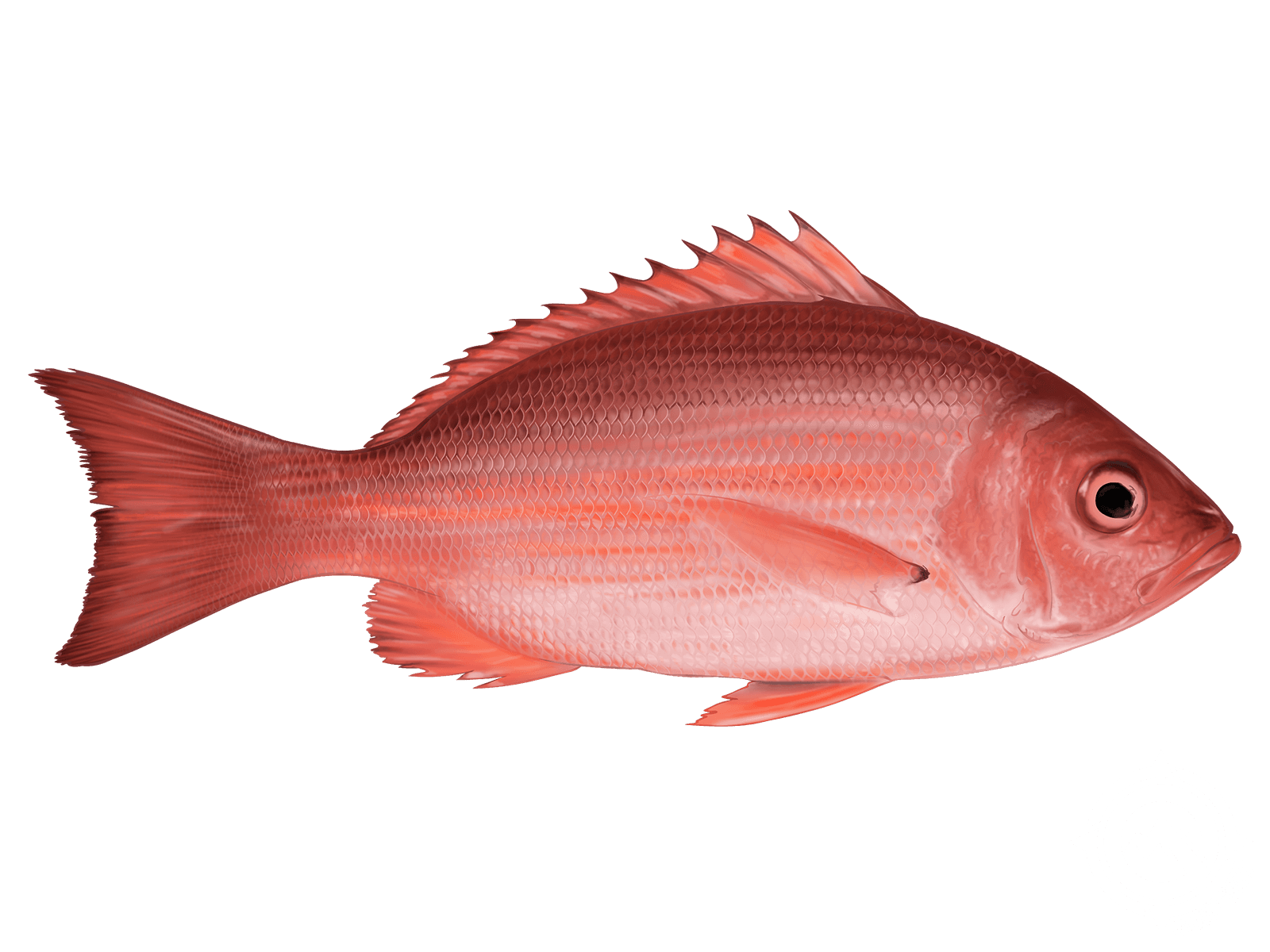
Red Snapper (Lutjanus campechanus) Overview
The Red Snapper, scientifically known as Lutjanus campechanus, belongs to the family Lutjanidae within the order Perciformes. This exceptional gamefish is one of the most sought-after species along the Atlantic coast and throughout the Gulf of Mexico, renowned for its brilliant red coloration, aggressive strike, and exceptional table quality. Red Snapper are true bottom dwellers that transform from pale pink juveniles into deep crimson adults, earning their reputation as trophy catches for both recreational anglers and commercial fisheries. Whether you're planning a fishing adventure in the Gulf of Mexico or exploring coastal waters, understanding this remarkable species will enhance your experience on the water.
Red Snapper Habitat and Distribution
Red Snapper thrive in the deep waters of the Atlantic coast and Gulf of Mexico, typically found at depths ranging from 30 to 620 feet. These fish prefer water temperatures between 50 and 70 degrees Fahrenheit, making them most active during moderate seasonal conditions. Juveniles inhabit shallower inshore areas with muddy bottoms, gradually migrating to deeper waters near structure as they mature. Adult Red Snapper are predominantly found near artificial and natural structures including reefs, wrecks, rocky outcroppings, and debris fields that provide shelter and concentrate forage fish. The Gulf of Mexico remains the primary hotspot for Red Snapper populations, with substantial populations extending down the eastern seaboard. Areas around Louisiana, Texas, and Florida's Gulf coast are particularly productive for encountering these fish.
Red Snapper Size and Weight
Red Snapper demonstrate impressive growth potential, with typical specimens caught by anglers ranging from 19 to 39 inches in length and weighing between 5 to 20 pounds on average. However, these fish can grow considerably larger under optimal conditions, with documented specimens exceeding 3 feet in length and weighing over 35 pounds. The world record Red Snapper weighed an astounding 50 pounds 4 ounces, a legendary catch landed off Louisiana waters in 1966. Most Red Snapper encountered in modern fisheries are between 4 to 6 years old, reflecting current population dynamics and regulatory management. These fish possess remarkable longevity, with lifespans exceeding 20 years, allowing mature individuals to reach exceptional sizes and weights.
Red Snapper Diet and Behavior
Red Snapper are carnivorous bottom feeders with a diverse diet consisting primarily of smaller fish and crustaceans. Their preferred prey includes cigar minnows, pinfish, pigfish, live squid, shrimp, and octopus, reflecting their opportunistic feeding strategy in deep-water environments. These aggressive hunters are most active during dawn and dusk periods, though they feed throughout daylight hours, particularly during slack tide periods when visibility and feeding conditions are optimal. Red Snapper exhibit strong territorial behavior, remaining in proximity to structure and cover where they ambush passing prey. Their reputation as fierce fighters stems from their powerful strikes and determined runs toward nearby cover—a characteristic that makes them exhilarating opponents for anglers. When hooked, Red Snapper will aggressively attempt to reach nearby structure, making rod strength and sharp hooks essential for successful encounters.
Red Snapper Spawning and Seasonal Activity
Red Snapper reach sexual maturity around 5 to 8 years of age, with larger, older females producing substantially greater numbers of eggs than their younger counterparts. A single 24-inch female can produce as many eggs as 212 seventeen-inch females, making size-selective reproduction a critical management consideration. The spawning season extends from May through October, with peak activity occurring during warmer months when water temperatures optimize reproductive success. Fertilized eggs drift to the surface and hatch within approximately one day, with larvae remaining in the planktonic water column before settling into shallow nursery habitats after about one month. As juvenile Red Snapper grow, they gradually migrate to deeper waters where they eventually establish residence near structure in the deep Gulf. This life history transition from shallow nurseries to deep offshore habitats reflects the species' adaptation to distinct environmental zones throughout their development.
Red Snapper Techniques for Observation and Capture
Bottom Fishing with Heavy Rigs: The most effective method for catching Red Snapper involves deploying heavy multi-hook rigs dressed with weights substantial enough to maintain bottom contact in deep water. Electric reels, manual reels, and handlines all prove effective when rigged properly. Bait your hooks with live pinfish, cigar minnows, fresh squid, or live shrimp, then lower your presentation to the bottom where Red Snapper congregate. The key to success lies in keeping your bait at or near bottom structure where these fish feed. Around the Gulf of Mexico's major fishing ports, charter captains utilize GPS and sonar to locate wreck structures and reef systems, deploying rigs precisely over productive bottom. Expect powerful strikes and immediate runs toward cover—maintain steady upward pressure to prevent your line from cutting on structure.
Fly Fishing for Surface-Active Fish: When Red Snapper move shallow or feed near the surface, fly fishing presents an exciting and productive alternative to traditional bottom techniques. Rig an 11 to 13-weight fly line with Clouser minnow or deceiver patterns that mimic local forage species. Some anglers employ chum slicks to concentrate Red Snapper before casting, then strip flies with erratic, natural-looking retrieve patterns. Present your fly to rising fish and work it back toward deeper water with consistent stripping action—Red Snapper will aggressively attack moving flies that resemble fleeing prey species. This technique works particularly well during early morning hours and slack tides when Red Snapper move into shallower water.
Targeting Structure and Seasonal Timing: Success with Red Snapper depends heavily on identifying productive structure and timing your fishing efforts around seasonal patterns. Focus on natural and artificial reefs, shipwrecks, rock formations, and other bottom features that hold concentrated populations. Spring and early summer, when water temperatures warm and spawning activity increases, represent prime fishing seasons. Target dawn and dusk periods when feeding intensity peaks, and plan your trips around slack tide periods when Red Snapper feed most aggressively.
Red Snapper Culinary and Nutritional Value
Red Snapper ranks among the most prized culinary fish, commanding premium prices in seafood markets and restaurants throughout the nation. The flesh features a mild, slightly nutty flavor profile with firm texture that holds up exceptionally well to various cooking methods. Whether baked, pan-fried, grilled, or steamed, Red Snapper delivers outstanding eating experiences that have made it an enduring favorite among seafood enthusiasts. To fully appreciate the delicate natural flavors, many chefs recommend minimal seasoning—simple preparations featuring salt, pepper, and fresh lemon juice allow the fish's inherent qualities to shine. Beyond culinary appeal, Red Snapper offers impressive nutritional benefits, serving as an excellent source of omega-3 fatty acids essential for cardiovascular and cognitive health. The fish is naturally low in calories, high in complete protein, and contains minimal saturated fat, making it an ideal choice for health-conscious diners. Red Snapper provides abundant B12 and vitamin D, along with important minerals including iron and potassium. Regular consumption supports heart health, enhances brain function, boosts immune response, and promotes healthy skin and hair development.
Red Snapper Frequently Asked Questions
Q: What is the best bait for catching Red Snapper?
A: Live pinfish and cigar minnows consistently outperform other bait options, particularly for larger specimens. Fresh squid, live shrimp, pigfish, and octopus also produce excellent results. The key lies in presenting fresh, lively bait on heavy rigs that reach bottom structure where Red Snapper feed. Experiment with combinations to determine what works best in your specific fishing location.
Q: Where can I find Red Snapper fishing opportunities in the Gulf of Mexico?
A: Major fishing ports throughout Louisiana, Texas, and Florida's Gulf coast provide excellent access to Red Snapper populations. Charter services in these areas operate specialized trips targeting deep-water structure. Public fishing piers in coastal communities occasionally offer opportunities during peak seasons, though private boat access typically provides superior fishing success.
Q: Is Red Snapper good to eat?
A: Absolutely—Red Snapper is exceptional table fare featuring mild, slightly nutty flavor and firm white flesh. The fish is highly nutritious, rich in omega-3 fatty acids, and works beautifully with various cooking methods. Most culinary experts recommend simple preparations that highlight natural flavors rather than heavy seasoning.
Q: When is the best time to catch Red Snapper?
A: The spawning season from May through October represents peak activity periods, with summer months typically offering the most consistent fishing. Within each day, dawn and dusk periods produce the most aggressive feeding activity. Slack tides create optimal feeding conditions regardless of season.
Q: How deep do I need to fish for Red Snapper?
A: Red Snapper inhabit depths ranging from 30 to 620 feet, though most productive fishing occurs between 60 and 300 feet. Always check current regulations and use GPS/sonar to identify structure at appropriate depths for your specific fishing area.
Q: What equipment do I need for Red Snapper fishing?
A: Heavy-duty conventional or electric reels paired with sturdy rods rated for deep-water applications work best. Bring quality multi-hook rigs with substantial weights, sharp hooks in appropriate sizes, and durable line rated for the depths and structure you'll encounter. Experienced anglers recommend having backup tackle and extra rigs to maximize fishing time.